What is a TPO?
A Simple Guide to Third-Party-Owned Solar
Solar doesn’t always mean buying a system and putting thousands of dollars into equipment upfront.
For many homeowners, there’s another option: Third-Party Ownership, or TPO.
With a TPO solar agreement, a third party owns the solar system installed on your home, while you get to use the electricity it produces.
That can make going solar much more accessible for homeowners who want the benefits of solar without purchasing the equipment themselves.
How does TPO solar work?
The idea is actually pretty simple.
A solar system is installed on your home, but instead of purchasing the panels, inverter, and other equipment upfront, another company owns the system during the agreement.
The system produces electricity from sunlight, and your home uses that electricity just like it would use electricity coming from the utility.
The important difference is where some of your power is coming from.
Instead of purchasing all of your electricity from the traditional electric grid, your home can produce a portion of it right from the roof.
Think of it like this...
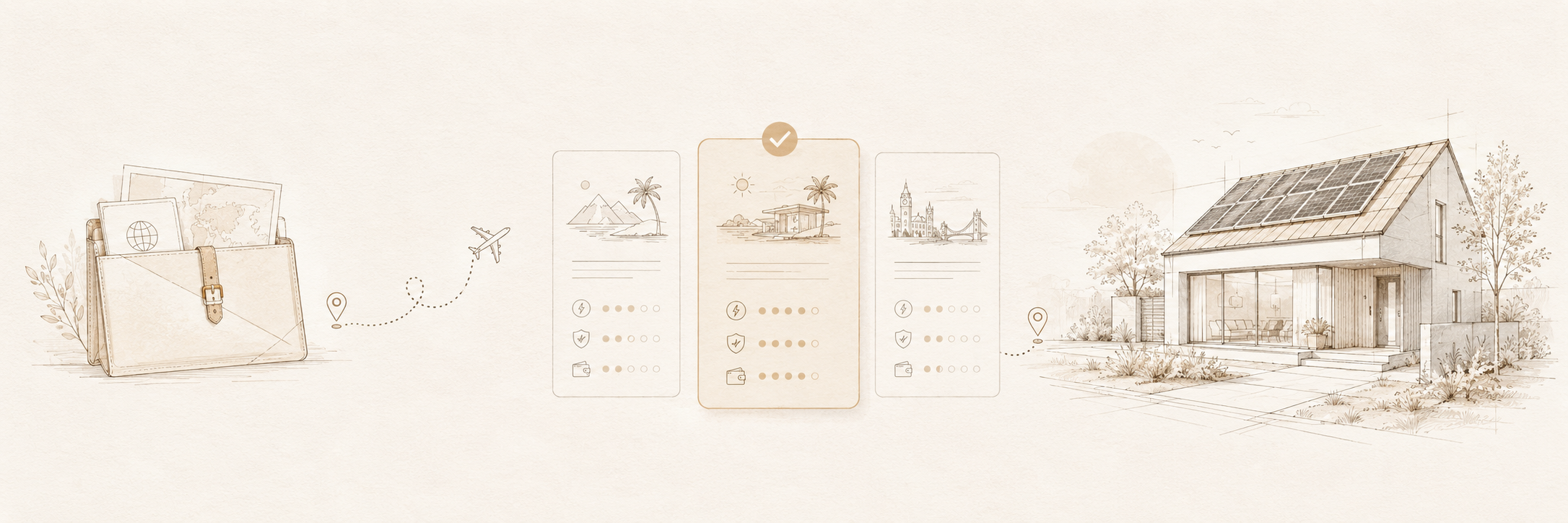
Imagine having a small power plant sitting on your roof.
You don’t necessarily have to buy the power plant itself.
Instead, it produces electricity for your home, and your agreement determines what you pay for that energy.
That’s the basic idea behind TPO.
What are you actually paying for?
This is one of the most important distinctions.
With a TPO structure, you generally aren't making an upfront purchase of the solar equipment.
Instead, your agreement determines what you pay for the electricity produced by the solar system.
Depending on the specific program and contract, that price may offer more predictability than relying entirely on utility electricity, where rates can change over time.
The exact rate structure, term, escalator if applicable, and other conditions should always be reviewed in the agreement before moving forward.
What happens to your utility bill?
Going solar doesn't mean your house disconnects from the electric grid.
Your home normally remains connected to the utility.
During sunny hours, the solar system produces electricity that your home can use. If your system produces more electricity than the home needs at that moment, the excess may be sent back to the grid under the utility's applicable compensation or net-metering rules.
Later, when your home needs more electricity than the solar system is producing, it can draw power from the grid.
Because of this, many solar homeowners can significantly reduce the amount of electricity they need to purchase directly from their utility.
However, the final utility bill depends on several factors, including your electricity usage, solar production, local utility rules, available credits, fixed utility charges, and the design of your system.
Solar can reduce your dependence on utility electricity, but it doesn't necessarily eliminate every utility charge.
Why do homeowners consider TPO?
For many homeowners, the biggest attraction is simple:
You can explore solar without having to purchase the entire system upfront.
That can remove one of the biggest barriers people associate with solar.
Instead of thinking of solar as a major equipment purchase, TPO can make it feel more like choosing a different way to power your home.
It may also give homeowners greater visibility into what they'll pay for solar electricity, depending on the terms of their agreement.
Who owns and maintains the solar system?
During a TPO agreement, the third party typically owns the solar system.
Because the system is third-party owned, the agreement also defines responsibilities for service, maintenance, equipment replacement, warranties, and other system-related issues.
Solar systems may also have several layers of protection, including coverage from the installer, financing or ownership provider, and equipment manufacturers.
The exact coverage varies, so homeowners should review their agreement and warranty documents to understand what is included.
What happens if you sell your home?
Having solar doesn't mean you can't sell your house.
But if the system is under a TPO agreement, the solar agreement becomes an important part of the home-sale process.
Depending on the contract, there may be a process for transferring the agreement to the new homeowner or handling the remaining terms another way.
This is why it's important to understand the transfer provisions before signing any solar agreement—not just when you're ready to sell.
A good solar provider should be able to explain this process clearly before installation.
What happens at the end of the agreement?
This depends on the specific TPO contract.
Some agreements may include options involving system ownership, continued service, removal, renewal, or other end-of-term arrangements.
Under the applicable GSQ program, the structure may provide for the system to remain with the home after the agreed term, but the exact ownership-transfer terms should always be confirmed in the homeowner's individual agreement.
The contract is what ultimately determines what happens at the end of the term.
Is TPO right for every homeowner?
Not necessarily.
The best solar option depends on the home, roof, energy usage, utility company, available programs, location, eligibility, and the homeowner's financial goals.
For some homeowners, purchasing solar may make sense.
For others, TPO can provide a simpler path to using solar energy without purchasing the equipment upfront.
The important part is comparing your current electricity situation with the actual solar proposal available for your home.
The bottom line
TPO makes solar less about owning equipment and more about using the energy that equipment produces.
A third party owns the solar system.
Your home uses the electricity it generates.
You can avoid purchasing the equipment upfront.
And your home remains connected to the electric grid for the electricity it still needs.
For the right homeowner, that can make solar a much easier option to consider.
Could your home qualify?
Every home is different.
Roof orientation, sunlight, electricity usage, utility provider, location, and available programs can all affect whether solar makes sense.
See if your home qualifies and compare your options before making a decision.
